
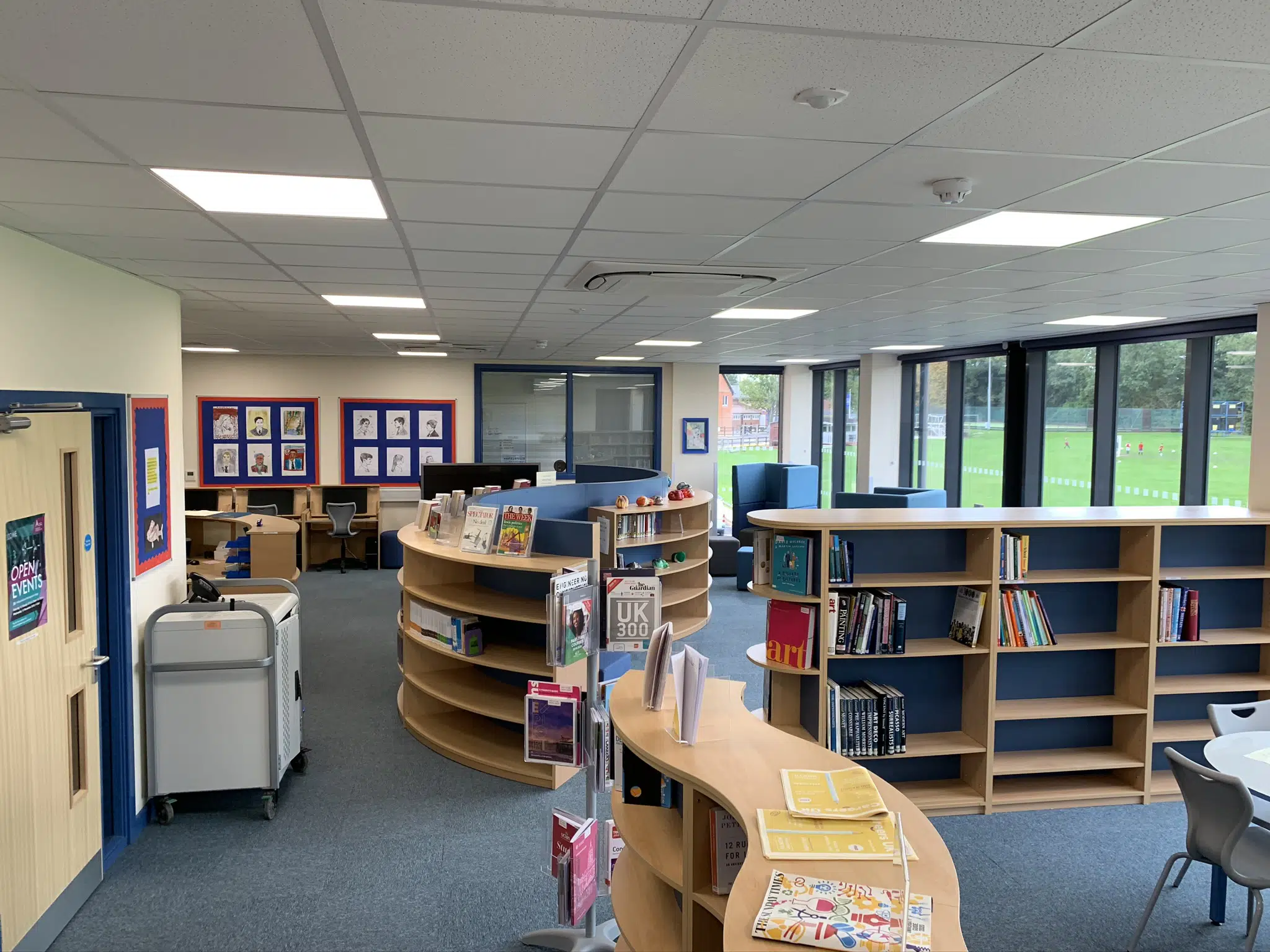
The concept of a Learning Resource Centre (LRC) has evolved from the traditional book-based library into a dynamic, multi-functional space designed to meet the changing needs of people and communities. LRCs, often called Learning Commons, are now central to educational environments, serving not only as places for books and quiet study but also as social hubs that support a wide range of learning styles and community functions.
LRCs support knowledge acquisition and the process of finding information, whether through physical books or digital resources. By providing access to diverse materials, they help individuals build on their prior knowledge and develop essential research skills.
By combining elements such as library facilities, IT resources, collaborative workspaces, quiet study zones, and social learning areas, an LRC can become the central hub of a school or college, encouraging independent learning, creativity, collaboration, and academic success.
Before planning infrastructure or budget, it is crucial to articulate the LRC’s vision and mission to ensure the space aligns with educational goals and community needs.
When thoughtfully designed, a Learning Resource Centre can transform how students engage with learning. It provides access to information through a variety of digital and physical resources while creating an environment that supports concentration, wellbeing, and productivity.
If you are planning a new Learning Resource Centre design or refurbishing an existing space, it’s important to first consider one key question:
How do you want your students to use the space?
The answer to this will shape every design decision; from layout and furniture to technology integration and aesthetics. The human element; how people interact, collaborate, and feel welcomed, plays a significant role in shaping the atmosphere and purpose of the LRC.
For further research on LRC design and best practices, consult references and articles that explore instructional design, multimedia learning, and evolving library concepts.
Designing Your Learning Resource Centre: Key Factors to Consider
Because a Learning Resource Centre serves multiple purposes, the process of designing an LRC should begin by defining the needs and purpose of the space. Flexible layouts, intelligent furniture solutions, and student-focused design all play an important role in creating a successful LRC.
Stakeholder consultation, including learners, educators, IT staff, and management, is essential to ensure the design meets everyone’s needs.
Below are some of the most important elements to consider.
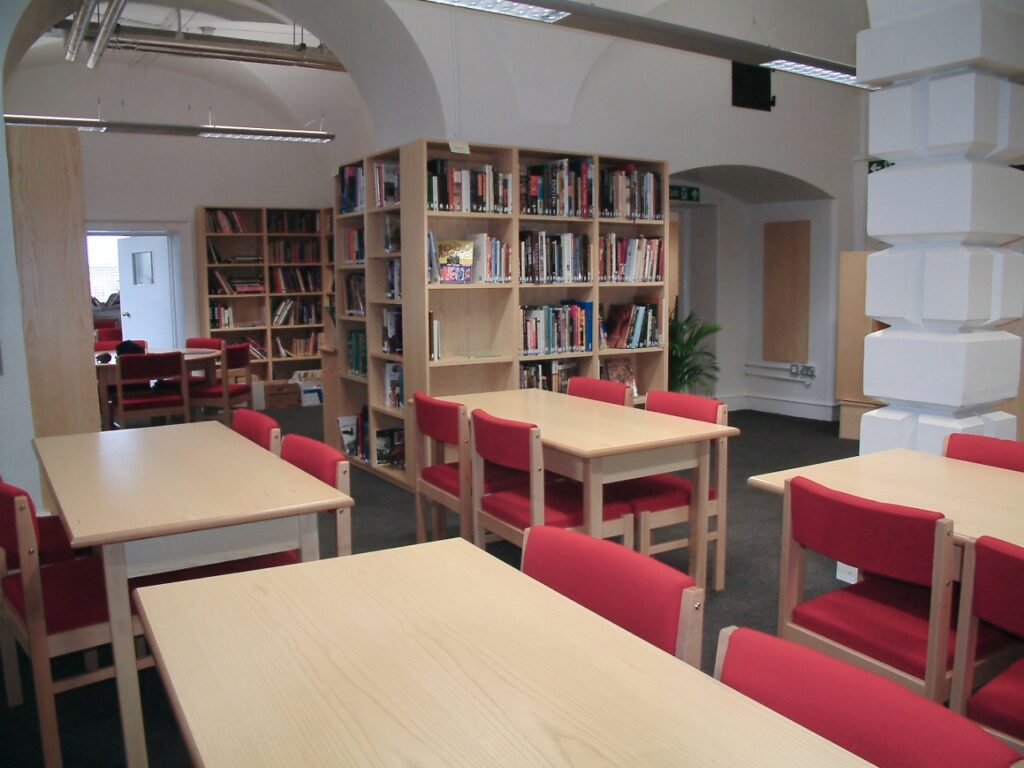
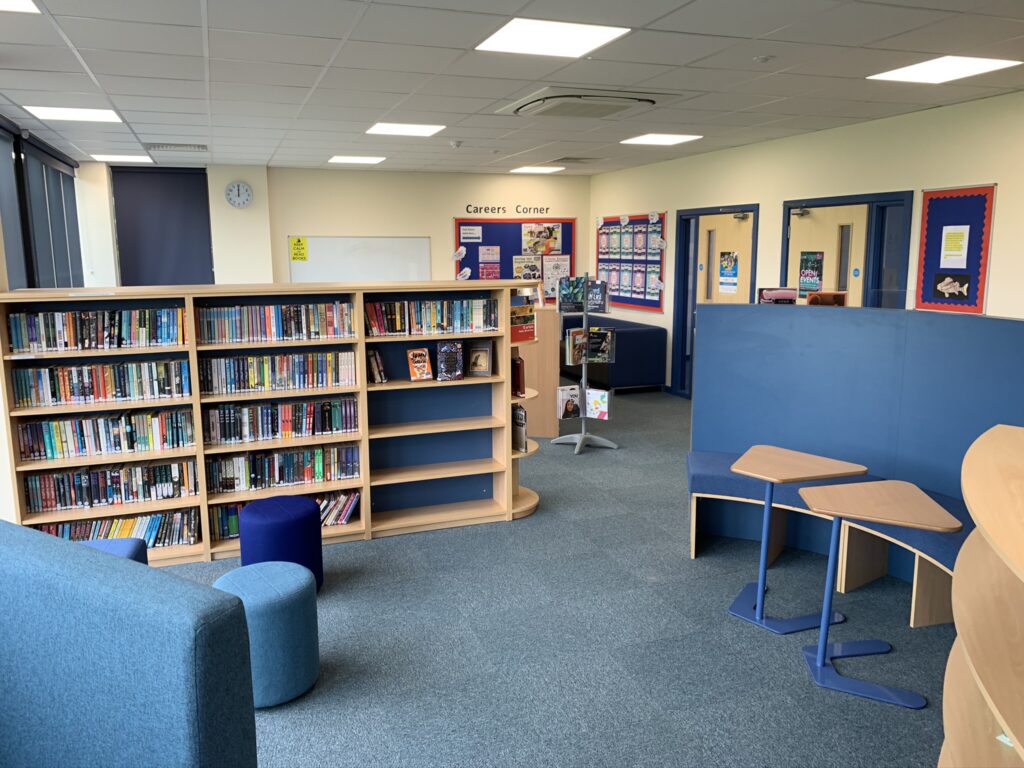
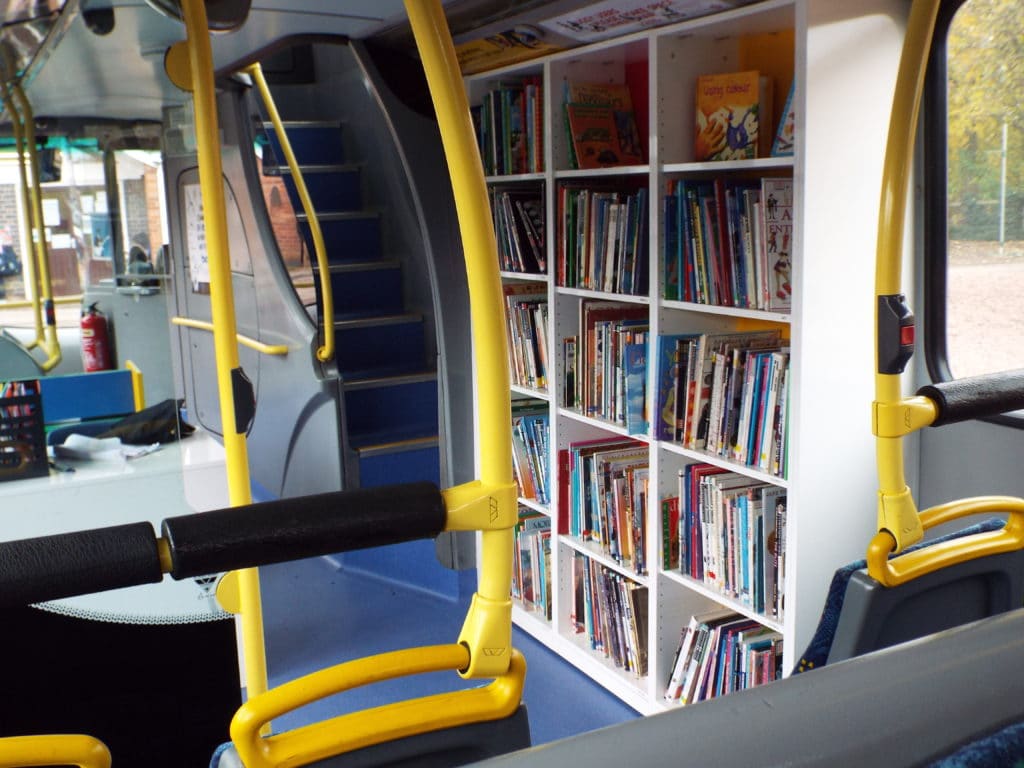
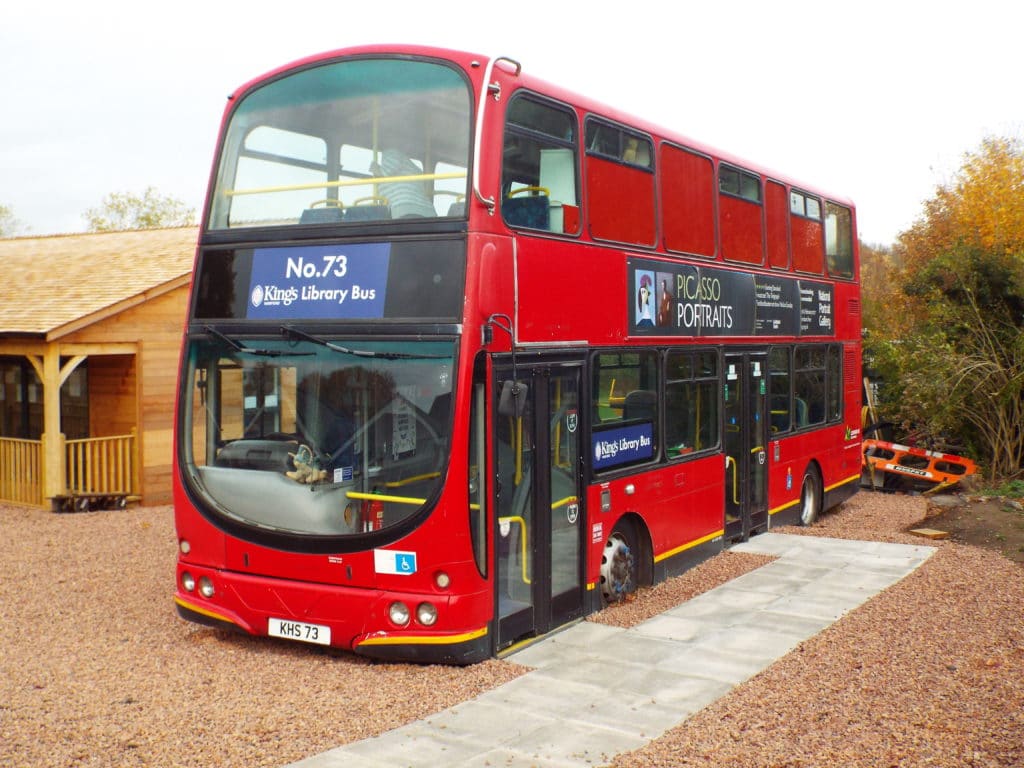
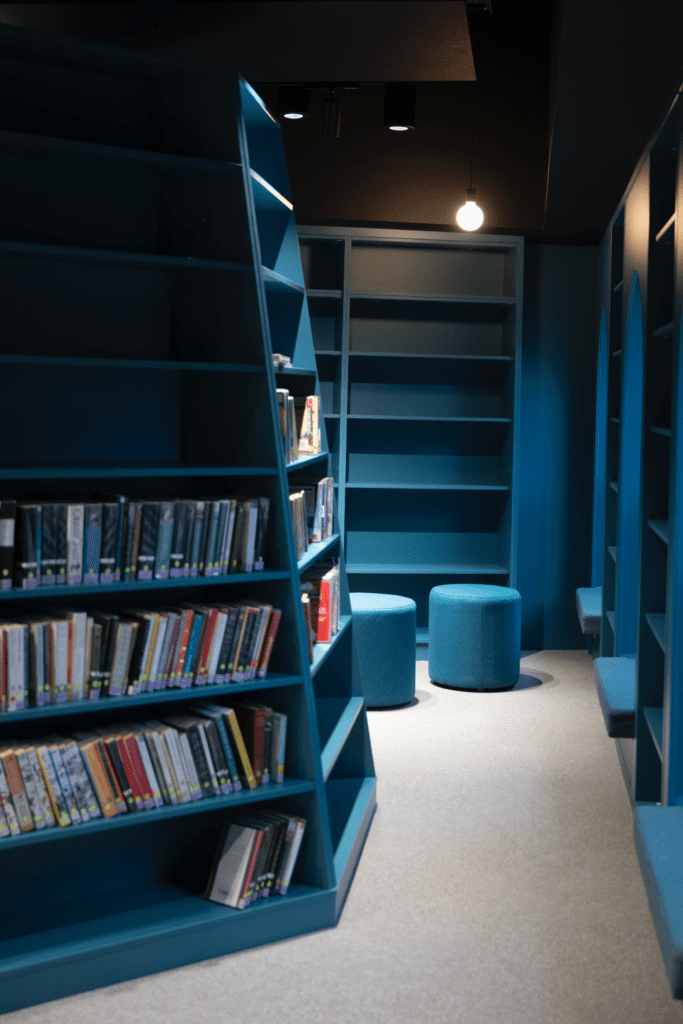
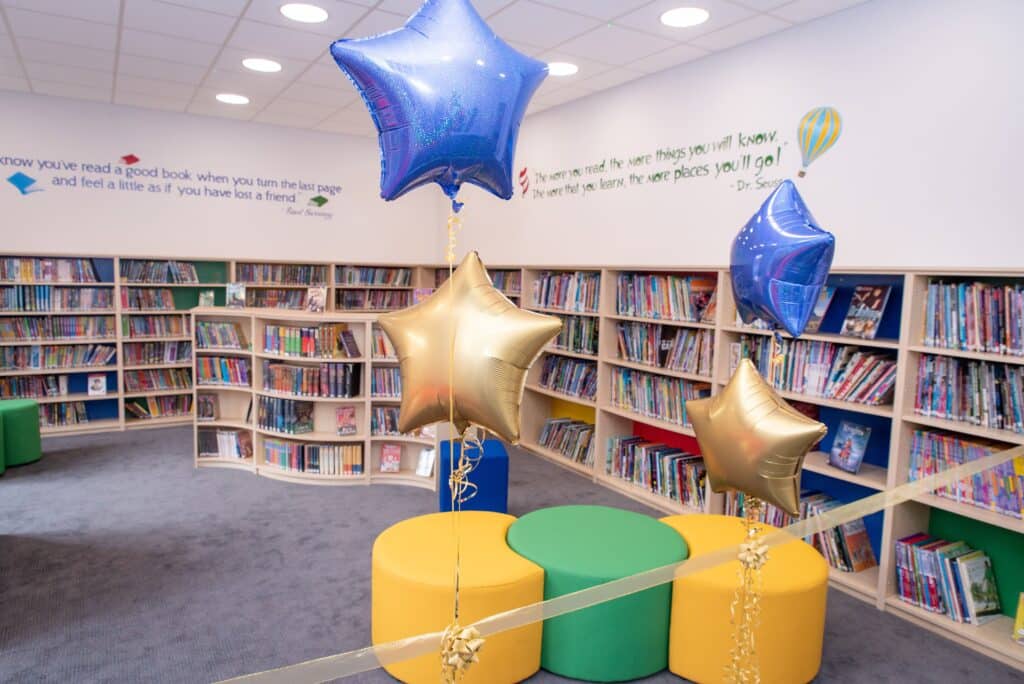
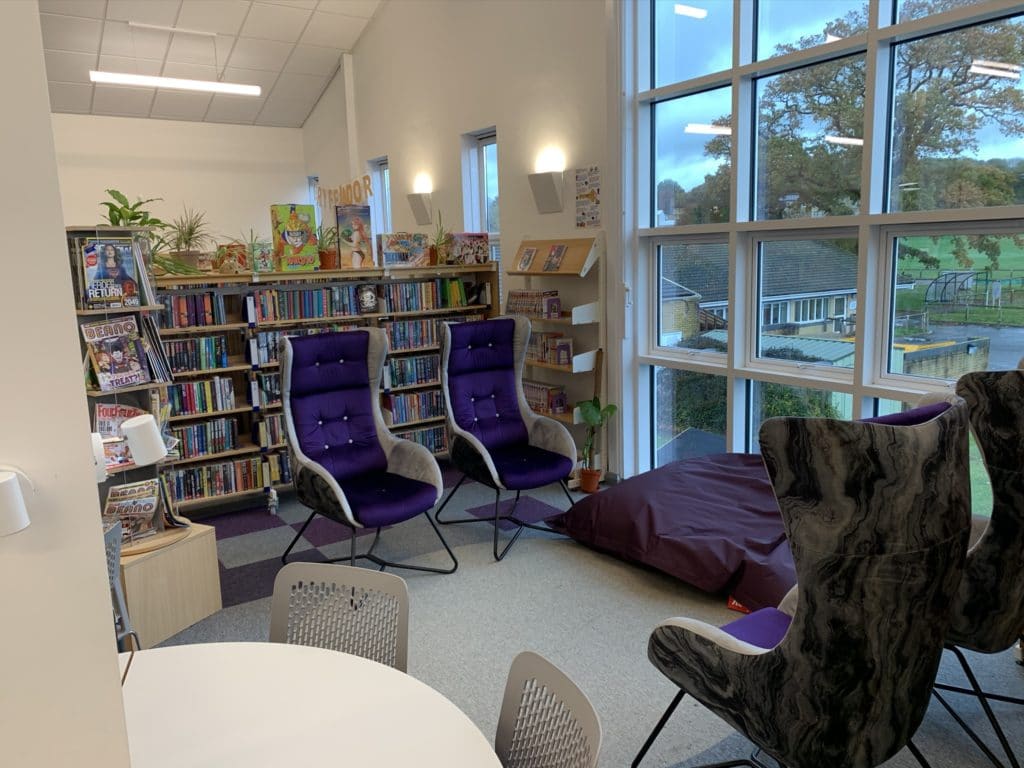
1. Create a Practical and Functional Learning Space
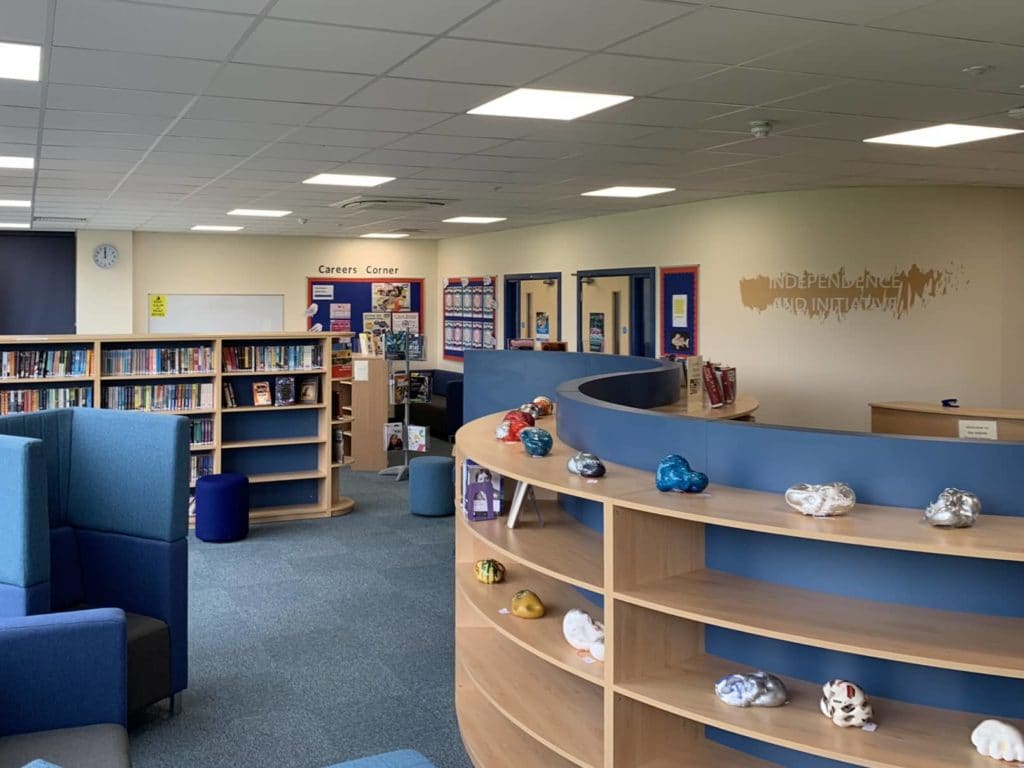
At its core, a Learning Resource Centre should support and enhance learning. Establishing a logical order in the layout helps students navigate the space efficiently and supports a variety of activities, ensuring that resources and zones are easy to find and use.
Students may spend hours at a time in this environment; reading, researching, revising, completing coursework, or collaborating on projects, so practicality must be a top priority. It’s also important not to overwhelm students with too many features or distractions; balancing technology and traditional resources helps maintain a focused and comfortable atmosphere.
Effective space planning involves developing a detailed brief covering location, lighting, acoustics, and storage.
Prioritise Ergonomic Furniture
A lot of thought should go into selecting comfortable, ergonomic furniture in any educational setting. Poorly designed desks and seating can lead to discomfort, distraction, and reduced concentration.
When choosing LRC furniture, consider:
- Adjustable seating where possible
- Supportive chairs with good posture support
- Desks at appropriate working heights
- Durable materials designed for heavy daily use
Investing in ergonomic and movable furniture helps students stay focused and comfortable for longer periods, improving both engagement and productivity. Multifunctional spaces especially benefit from furniture that can be easily reconfigured to support both collaborative and individual activities.
Include Quiet Zones for Independent Study
Not every student learns best in busy environments. Some prefer calm, low-stimulation spaces where they can concentrate independently.
Consider introducing:
- Reading nooks
- Acoustic pods
- Partitioned study booths
- Quiet corners with individual desks
- Window-side seating for reading and reflection
These smaller, quieter zones provide students with a sense of privacy and can be especially valuable during exam periods or independent study sessions.
2. Design for Comfort and Student Wellbeing
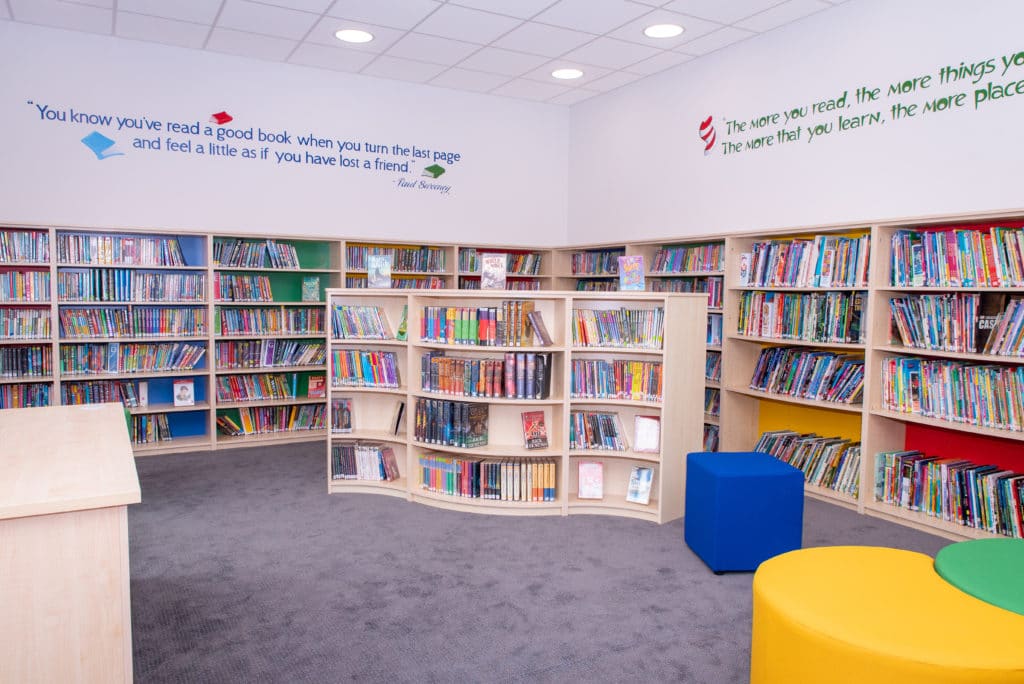
A successful Learning Resource Centre should feel welcoming, not clinical. The LRC should be a place where students can have positive experiences and genuinely want to spend time.
Environmental comfort is critical for making the LRC inviting.
Students are far more likely to use a space regularly if it feels comfortable, inspiring, and somewhere they genuinely want to spend time.
Incorporate Soft Seating
Soft seating creates a more relaxed atmosphere and offers flexibility in how students use the space.
Popular options include:
- Upholstered armchairs
- Modular sofas
- Low-level stools
- Booth seating
- Bean bags for informal reading zones
These softer areas work particularly well for casual reading, group discussions, or social learning.
Use Colour Psychology to Shape the Mood
Colour plays a powerful role in how a space feels.
For example:
- Blue often promotes calmness, focus, and concentration
- Green is associated with nature, balance, and wellbeing
- Neutral tones create warmth and sophistication
- Accent colours can energise specific zones or support wayfinding
A thoughtful colour palette can help create an environment that feels both stimulating and calming; an important balance in educational design.
Consider Lighting and Acoustics
Natural light can significantly improve mood and concentration, so maximise it wherever possible.
Pair this with:
- layered lighting for different zones
- acoustic panels or soft furnishings to reduce noise
- sound zoning to separate collaborative and quiet areas
These details often make the biggest difference to how well a space functions day-to-day.
3. Support Collaboration and Social Learning
Modern education increasingly values collaboration, communication, and teamwork, and your Learning Resource Centre should support that. Collaborative activities in an LRC help students build important skills for teamwork and communication, which are essential for both academic and workplace success.
Students often use LRCs for:
- group assignments
- peer tutoring
- revision sessions
- project-based learning
- informal social interaction
Building relationships with students in an LRC enhances their engagement and sense of ownership over the space.
Design Flexible Group Work Areas
Consider furniture that can adapt easily to changing needs, such as:
- large shared tables
- modular desks on castors
- reconfigurable bench seating
- movable whiteboards
This flexibility allows spaces to shift quickly from individual study to collaborative learning.
For example, a cluster of mobile desks can be separated for independent work during the morning and combined into a large workshop table in the afternoon.
4. Integrate Technology Thoughtfully
Technology is central to the modern Learning Resource Centre.
Integrating technology and online resources to build and develop effective training programs offers significant benefits, such as improved accessibility, enhanced employee training, and greater customisation to achieve organisational learning goals.
To ensure digital accessibility, a modern LRC should provide tablets, Chromebooks, and high-speed Wi-Fi for all students, bridging the gap between traditional books and digital tools.
Regular evaluations and updates of technology are necessary to keep the infrastructure current and achieve optimal learning outcomes.
Students increasingly rely on digital tools to access learning materials, complete assignments, and conduct research, so technology integration needs to be seamless.
However, this also introduces design challenges.
Address Safety and Practicality
Technology-heavy spaces can create risks such as:
- trip hazards from loose cables
- overheating equipment
- limited charging access
- damage to devices
- security concerns
To address these issues, incorporate furniture designed specifically for educational technology, such as:
- desks with integrated cable management
- lockable storage units
- built-in charging stations
- monitor arms and docking stations
- IT benches with enclosed PC tower storage
For example, housing desktop towers within dedicated under-desk units helps protect equipment from accidental knocks while keeping cables safely out of sight.
Avoid Overloading the Space with Technology
While digital access is important, not every area needs screens.
A balanced Learning Resource Centre design should include both:
- technology-enabled zones for digital learning
- screen-free spaces for reading, discussion, and wellbeing
This creates a healthier environment and supports a wider range of student preferences.
5. Create a Space That Makes a Lasting Impression
Your Learning Resource Centre isn’t just for students, it often becomes a showcase space.
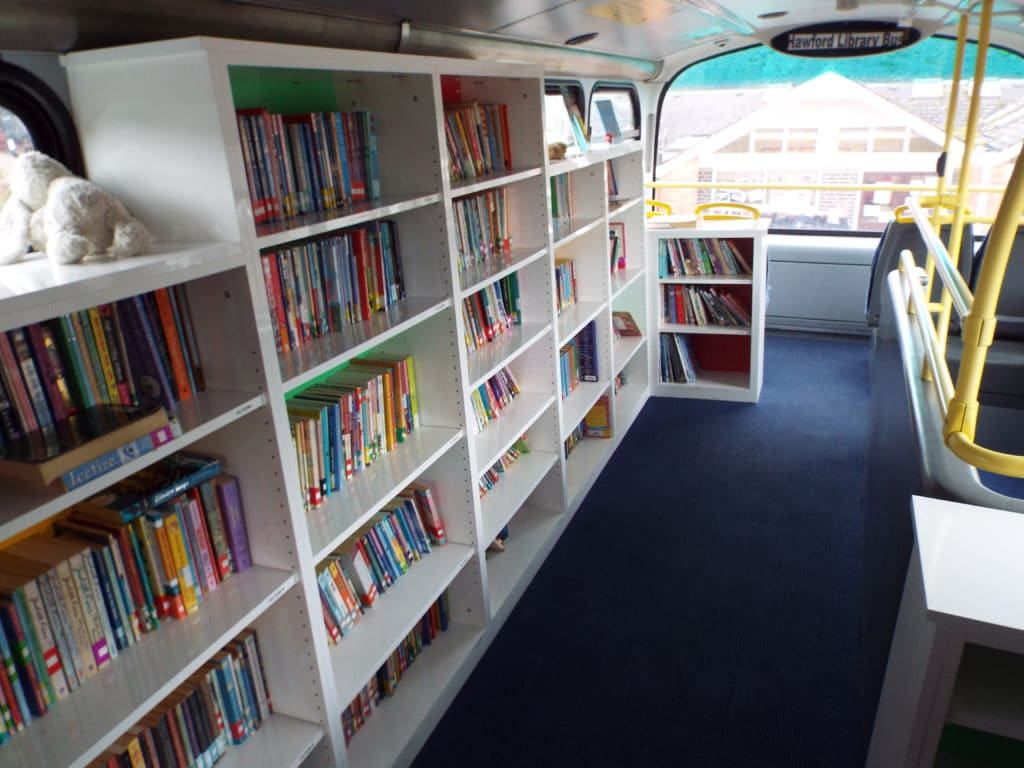
Parents, visitors, inspectors, and prospective students are likely to see it during open days and school tours, so first impressions matter. Presenting visually appealing images and innovative presentations is essential to convey the right message and ensure your LRC stands out.
Producing creative design solutions that leave a lasting impression can enhance the overall educational experience for everyone who visits.
A visually impressive LRC communicates innovation, investment, and educational ambition.
Use Design to Reflect Your School’s Identity
Consider how your furniture, materials, and layout can express your school’s ethos.
Ideas include:
- bespoke furniture shapes
- bold feature walls
- branded colours
- biophilic elements such as indoor planting
- statement lighting
- themed zoning
A memorable design helps your school stand out while reinforcing your values and culture.
Why Good Learning Resource Centre Design Matters
A thoughtfully designed Learning Resource Centre can:
- improve student engagement
- encourage independent learning
- support wellbeing and inclusivity
- maximise space efficiency
- future-proof your educational environment
- enhance your school’s overall learning experience
When done well, an LRC becomes much more than a room, it becomes the heart of the school.
Discuss Your Requirements with Our Free Learning Resource Centre Design Service
If you’re planning a Learning Resource Centre furniture project, our team would be delighted to help.
We offer a free school design service, helping educational settings create inspiring, practical learning environments tailored to their needs.
Our service includes:
- initial consultation and project discussion
- suggested layouts and floorplans
- bespoke furniture recommendations
- material, finish and fitting options
- space planning tailored to your curriculum and students
Whether you are creating a brand-new Learning Resource Centre or refurbishing an existing space, we can help bring your vision to life.